Osun Decides: What Voters Need To Know Ahead Of Saturday’s Governorship Election
All roads lead to Osun State on Saturday as voters head to the polls to elect the next governor in a closely watched contest that has attracted national attention ahead of the 2027 general elections.
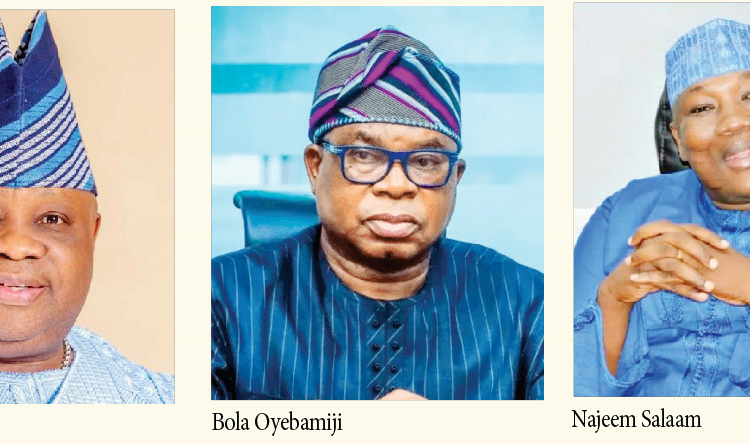
Although 15 political parties are participating in the election, the battle is expected to centre largely on three leading contenders: incumbent Governor Ademola Adeleke of the Accord Party, the All Progressives Congress (APC) candidate, Bola Oyebamiji, and the African Democratic Congress (ADC) candidate, Najeem Salaam.
The election follows weeks of intense campaigns marked by political disagreements, allegations of violence, arrests and heightened security concerns.
Why The Election Matters
The Osun governorship poll carries significance beyond the state because it could offer an early indication of voter sentiment ahead of the 2027 general elections.
The outcome will also test the strength of the major political blocs in the South-West and determine whether Adeleke can retain power or the opposition can wrest control of the state.
For the APC, the election represents an opportunity to return to power after losing the state to Adeleke in 2022.
Former governor and Minister of Marine and Blue Economy, Adegboyega Oyetola, has thrown his weight behind Oyebamiji and will be hoping the party can reclaim the governorship.
The ADC is also seeking to make a strong statement under the backing of former governor Rauf Aregbesola, who is now the party’s national secretary.
Aregbesola’s political alliance with Adeleke played a role in the APC’s defeat in 2022. This time, however, the two are on opposite sides of the political divide.
For Adeleke, Saturday’s election is a battle to consolidate his administration and secure another term in office.
A Major Test For INEC
The election will also be closely watched as another major test for the Independent National Electoral Commission under its chairman, Prof. Joash Amupitan (SAN).
Following the commission’s handling of the Ekiti governorship election in June, the Osun poll provides another opportunity for INEC to demonstrate its capacity to organise a credible, transparent and peaceful election.
Particular attention will be paid to the deployment of election materials, the performance of the Bimodal Voter Accreditation System (BVAS), the conduct of electoral officials and the collation of results.
Security Takes Centre Stage
Security is expected to be one of the biggest issues on election day.
The campaign period witnessed reports of clashes, attacks, politically motivated killings and arrests. Security agencies have also raised concerns about alleged plans to procure arms for attacks.
The ability of security personnel to protect voters, electoral officials and election materials will therefore be crucial.
A strong security presence could boost voter confidence, while any major security incident could discourage voters from turning out.
Seven Factors That Could Shape The Result:-
1. Security
The security situation could have a direct impact on voter turnout. Voters are more likely to participate if they are confident that polling units and surrounding communities are safe.
2. INEC’s Readiness
The timely arrival of electoral materials, effective use of BVAS and the competence of election officials will be critical to the credibility of the exercise.
3. Polling Agents And Party Organisation
Political parties will need reliable agents at polling units and collation centres to monitor the process and protect their votes.
4. Campaign Financing
Money will remain an important factor in a tightly contested election. While financial strength does not automatically translate into victory, it can influence mobilisation, logistics and campaign operations.
5. Last-Minute Alliances
Late political negotiations and strategic alliances could affect the final outcome, particularly where former political allies or influential local actors switch allegiance.
6. Voter Turnout
Turnout could prove decisive. Candidates will be counting on strong participation in their traditional areas of support while also seeking to attract undecided voters.
7. Result Monitoring
Close monitoring of the collation process will be essential. Parties and candidates are expected to deploy representatives from polling units through ward and local government collation centres to the state collation venue.
A Crucial Saturday For Osun
With the contest expected to be closely fought, every vote could matter.
Beyond determining who governs Osun for the next four years, the election will provide an important measure of the strength of the leading political parties, the effectiveness of INEC’s preparations and the ability of security agencies to manage a highly competitive electoral environment.
For the voters, the priority will be clear: turn out peacefully, exercise their franchise and ensure that the process reflects their choice.
Although 15 political parties are participating in the election, the battle is expected to centre largely on three leading contenders: incumbent Governor Ademola Adeleke of the Accord Party, the All Progressives Congress (APC) candidate, Bola Oyebamiji, and the African Democratic Congress (ADC) candidate, Najeem Salaam.
The election follows weeks of intense campaigns marked by political disagreements, allegations of violence, arrests and heightened security concerns.
Why The Election Matters
The Osun governorship poll carries significance beyond the state because it could offer an early indication of voter sentiment ahead of the 2027 general elections.
The outcome will also test the strength of the major political blocs in the South-West and determine whether Adeleke can retain power or the opposition can wrest control of the state.
For the APC, the election represents an opportunity to return to power after losing the state to Adeleke in 2022.
Former governor and Minister of Marine and Blue Economy, Adegboyega Oyetola, has thrown his weight behind Oyebamiji and will be hoping the party can reclaim the governorship.
The ADC is also seeking to make a strong statement under the backing of former governor Rauf Aregbesola, who is now the party’s national secretary.
Aregbesola’s political alliance with Adeleke played a role in the APC’s defeat in 2022. This time, however, the two are on opposite sides of the political divide.
For Adeleke, Saturday’s election is a battle to consolidate his administration and secure another term in office.
A Major Test For INEC
The election will also be closely watched as another major test for the Independent National Electoral Commission under its chairman, Prof. Joash Amupitan (SAN).
Following the commission’s handling of the Ekiti governorship election in June, the Osun poll provides another opportunity for INEC to demonstrate its capacity to organise a credible, transparent and peaceful election.
Particular attention will be paid to the deployment of election materials, the performance of the Bimodal Voter Accreditation System (BVAS), the conduct of electoral officials and the collation of results.
Security Takes Centre Stage
Security is expected to be one of the biggest issues on election day.
The campaign period witnessed reports of clashes, attacks, politically motivated killings and arrests. Security agencies have also raised concerns about alleged plans to procure arms for attacks.
The ability of security personnel to protect voters, electoral officials and election materials will therefore be crucial.
A strong security presence could boost voter confidence, while any major security incident could discourage voters from turning out.
Seven Factors That Could Shape The Result:-
1. Security
The security situation could have a direct impact on voter turnout. Voters are more likely to participate if they are confident that polling units and surrounding communities are safe.
2. INEC’s Readiness
The timely arrival of electoral materials, effective use of BVAS and the competence of election officials will be critical to the credibility of the exercise.
3. Polling Agents And Party Organisation
Political parties will need reliable agents at polling units and collation centres to monitor the process and protect their votes.
4. Campaign Financing
Money will remain an important factor in a tightly contested election. While financial strength does not automatically translate into victory, it can influence mobilisation, logistics and campaign operations.
5. Last-Minute Alliances
Late political negotiations and strategic alliances could affect the final outcome, particularly where former political allies or influential local actors switch allegiance.
6. Voter Turnout
Turnout could prove decisive. Candidates will be counting on strong participation in their traditional areas of support while also seeking to attract undecided voters.
7. Result Monitoring
Close monitoring of the collation process will be essential. Parties and candidates are expected to deploy representatives from polling units through ward and local government collation centres to the state collation venue.
A Crucial Saturday For Osun
With the contest expected to be closely fought, every vote could matter.
Beyond determining who governs Osun for the next four years, the election will provide an important measure of the strength of the leading political parties, the effectiveness of INEC’s preparations and the ability of security agencies to manage a highly competitive electoral environment.
For the voters, the priority will be clear: turn out peacefully, exercise their franchise and ensure that the process reflects their choice.