Obi Slams Tinubu Over 30-Day Petrol Discount, Demands Subsidy Reinstatement
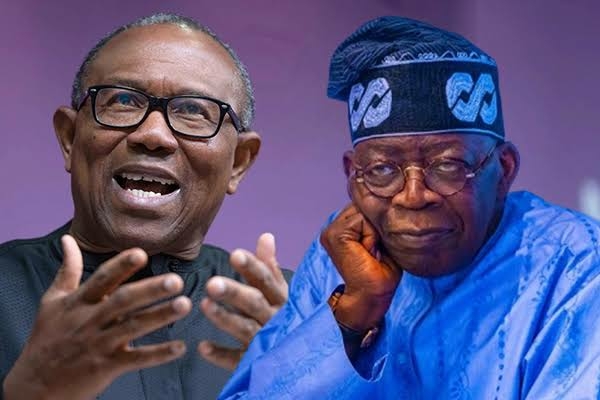
Former Labour Party presidential candidate and African Democratic Congress (ADC) chieftain, Peter Obi, has criticised President Bola Tinubu’s 30-day petrol discount scheme, describing it as a political gimmick that offers little relief to struggling Nigerians.
Obi questioned the economic impact of the temporary measure, arguing that it would do little to tackle poverty, unemployment, insecurity and rising living costs.
The former Anambra State governor made his position known in a post on X on Sunday, days after the Federal Government announced the discount as part of efforts to cushion the effects of rising petrol prices.
The Minister of Finance and Coordinating Minister of the Economy, Taiwo Oyedele, had explained that the scheme would operate through a margin discount at Nigerian National Petroleum Company Limited (NNPC) retail stations, with priority given to public transport operators.
Oyedele clarified that the initiative did not represent a return to fuel subsidy.
However, Obi questioned the rationale behind a discount of less than five per cent on petrol prices, asking whether the intervention would significantly improve productivity, exports and Nigerians’ living conditions.
He also questioned whether the initiative was a trial to assess the possibility of restoring fuel subsidy or a political strategy ahead of the 2027 general election.
According to Obi, the removal of fuel subsidy on May 29, 2023, followed by the floating of the naira and subsequent tax reforms, was implemented without adequate consultation, proper impact assessments or sufficient coordination.
He blamed the combined effects of the policies for rising inflation, higher costs of goods and services, business closures, unemployment, insecurity and widening inequality.
Obi further criticised the government’s management of multiple budgets, arguing that it had raised concerns about transparency and accountability.
On the reach of the petrol discount, he said the government’s estimated 900 NNPC retail outlets represented less than four per cent of the approximately 24,000 filling stations nationwide.
Using an estimated population of 243 million, he argued that the limited number and uneven distribution of participating outlets would make access difficult for many Nigerians.
“Imagine 243,000 Nigerians struggling for a N66.00/per litre discount in each of the NNPC petrol stations. This is certainly not how to govern a richly blessed and endowed nation!” he said.
Obi called for the restoration of subsidy, not only on petrol but also in agriculture, healthcare, education and infrastructure, arguing that Nigeria could fund such interventions through a productive economy and transparent public administration.
He also urged the government to conduct and publish regulatory impact assessments before introducing major economic policies and to consult stakeholders and ordinary citizens.
The ADC chieftain said he was preparing a more detailed position on fuel subsidy, alongside a policy roadmap for ensuring fair, transparent and affordable petroleum pricing.
He maintained that the temporary discount announced on October 1 fell short of the sustainable economic relief Nigerians needed, adding that the country required policies capable of reducing the cost of living.