Edo State Govt Deepens International Study of Healthcare Regulation, Standards in US
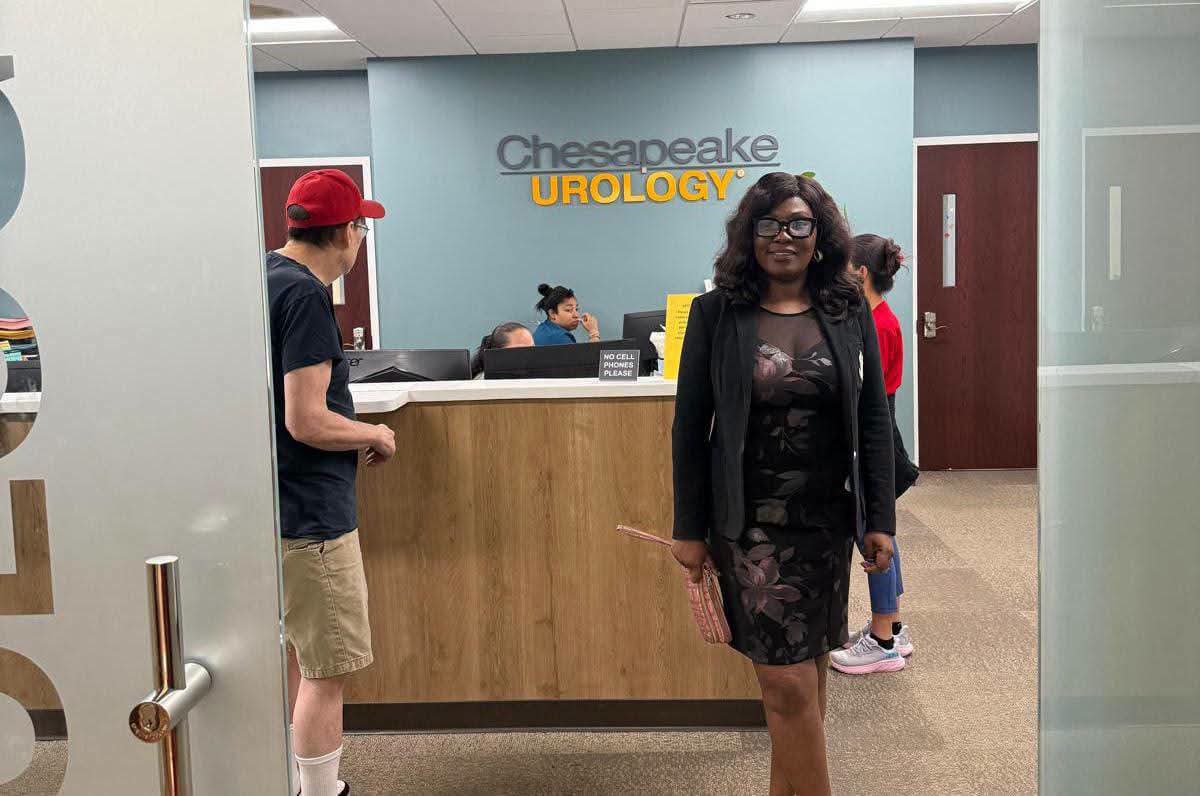
The Edo State Government has deepened its healthcare regulation and standards through international study of existing models in the United States of America (US), as part of efforts to strengthen healthcare regulation, facility standards, patient safety and quality assurance practices in the State.
According to the Chief Executive Officer (CEO) of the Edo State Healthcare Regulation and Monitoring Agency (EDOHERMA), Dr. Adesuwa Urhoghide-Edigin, the further study of healthcare regulatory systems and healthcare delivery practices is to identify approaches that could be adapted to strengthen healthcare regulation in Edo State.
During the study visit, particular attention was paid to how regulatory requirements are translated into everyday healthcare practice, including facility organisation, patient safety systems, infection prevention and control, emergency preparedness, quality assurance, documentation, accountability mechanisms and the practical application of health standards. The CEO described the exercise as part of the Agency's commitment to continuous learning, innovation and international benchmarking. She clarified that the objective is not to replicate the American healthcare system in Edo State, but to identify effective regulatory practices and achievable standards that could be appropriately adapted to the Nigerian and Edo State context.
The study also provided an opportunity to examine the differences among healthcare facilities in terms of type, size, scope of services and level of care, while recognising the need to maintain fundamental standards that protect patient safety.
Dr. Urhoghide-Edigin submitted that healthcare regulation must continually evolve in response to changes in healthcare delivery, emerging technologies, new services and evolving risks. She stated that lessons from the study visits are expected to contribute to the continued strengthening of the Agency’s regulatory frameworks, including facility-specific minimum standards, inspection and investigative checklists, infection prevention and control standards, emergency preparedness, patient safety, quality improvement, documentation, public verification systems and compliance monitoring.
She emphasised that international benchmarking is one component of the Agency's regulatory approach, adding that standards adopted for Edo State must remain practical, evidence-based, locally appropriate and responsive to the realities of healthcare delivery in the State. She added that the exercise reinforces EDOHERMA’s commitment to ensuring that residents of Edo State have access to safe and quality healthcare delivered in facilities that meet clearly defined standards, irrespective of whether such facilities are public or private, large or small.
The CEO assured that EDOHERMA will continue to study successful regulatory and healthcare quality models locally, nationally and internationally, translate relevant lessons into practical improvements in healthcare regulation across Edo State, saying the ultimate objectives are to ensure safer healthcare facilities, stronger standards, improved patient experience, accountable healthcare delivery and better protection for every patient in Edo State.
She concluded that the visit is a continuation of a deliberate international benchmarking process that commenced before EDOHERMA began full operations, recalling how she visited some states in the United States to study their health regulatory systems, healthcare environments and approaches to standards, regulation and quality of care.
Igene Eromosele Stephen
Public Relations Officer
EDOHERMA
According to the Chief Executive Officer (CEO) of the Edo State Healthcare Regulation and Monitoring Agency (EDOHERMA), Dr. Adesuwa Urhoghide-Edigin, the further study of healthcare regulatory systems and healthcare delivery practices is to identify approaches that could be adapted to strengthen healthcare regulation in Edo State.
During the study visit, particular attention was paid to how regulatory requirements are translated into everyday healthcare practice, including facility organisation, patient safety systems, infection prevention and control, emergency preparedness, quality assurance, documentation, accountability mechanisms and the practical application of health standards. The CEO described the exercise as part of the Agency's commitment to continuous learning, innovation and international benchmarking. She clarified that the objective is not to replicate the American healthcare system in Edo State, but to identify effective regulatory practices and achievable standards that could be appropriately adapted to the Nigerian and Edo State context.
The study also provided an opportunity to examine the differences among healthcare facilities in terms of type, size, scope of services and level of care, while recognising the need to maintain fundamental standards that protect patient safety.
Dr. Urhoghide-Edigin submitted that healthcare regulation must continually evolve in response to changes in healthcare delivery, emerging technologies, new services and evolving risks. She stated that lessons from the study visits are expected to contribute to the continued strengthening of the Agency’s regulatory frameworks, including facility-specific minimum standards, inspection and investigative checklists, infection prevention and control standards, emergency preparedness, patient safety, quality improvement, documentation, public verification systems and compliance monitoring.
She emphasised that international benchmarking is one component of the Agency's regulatory approach, adding that standards adopted for Edo State must remain practical, evidence-based, locally appropriate and responsive to the realities of healthcare delivery in the State. She added that the exercise reinforces EDOHERMA’s commitment to ensuring that residents of Edo State have access to safe and quality healthcare delivered in facilities that meet clearly defined standards, irrespective of whether such facilities are public or private, large or small.
The CEO assured that EDOHERMA will continue to study successful regulatory and healthcare quality models locally, nationally and internationally, translate relevant lessons into practical improvements in healthcare regulation across Edo State, saying the ultimate objectives are to ensure safer healthcare facilities, stronger standards, improved patient experience, accountable healthcare delivery and better protection for every patient in Edo State.
She concluded that the visit is a continuation of a deliberate international benchmarking process that commenced before EDOHERMA began full operations, recalling how she visited some states in the United States to study their health regulatory systems, healthcare environments and approaches to standards, regulation and quality of care.
Igene Eromosele Stephen
Public Relations Officer
EDOHERMA