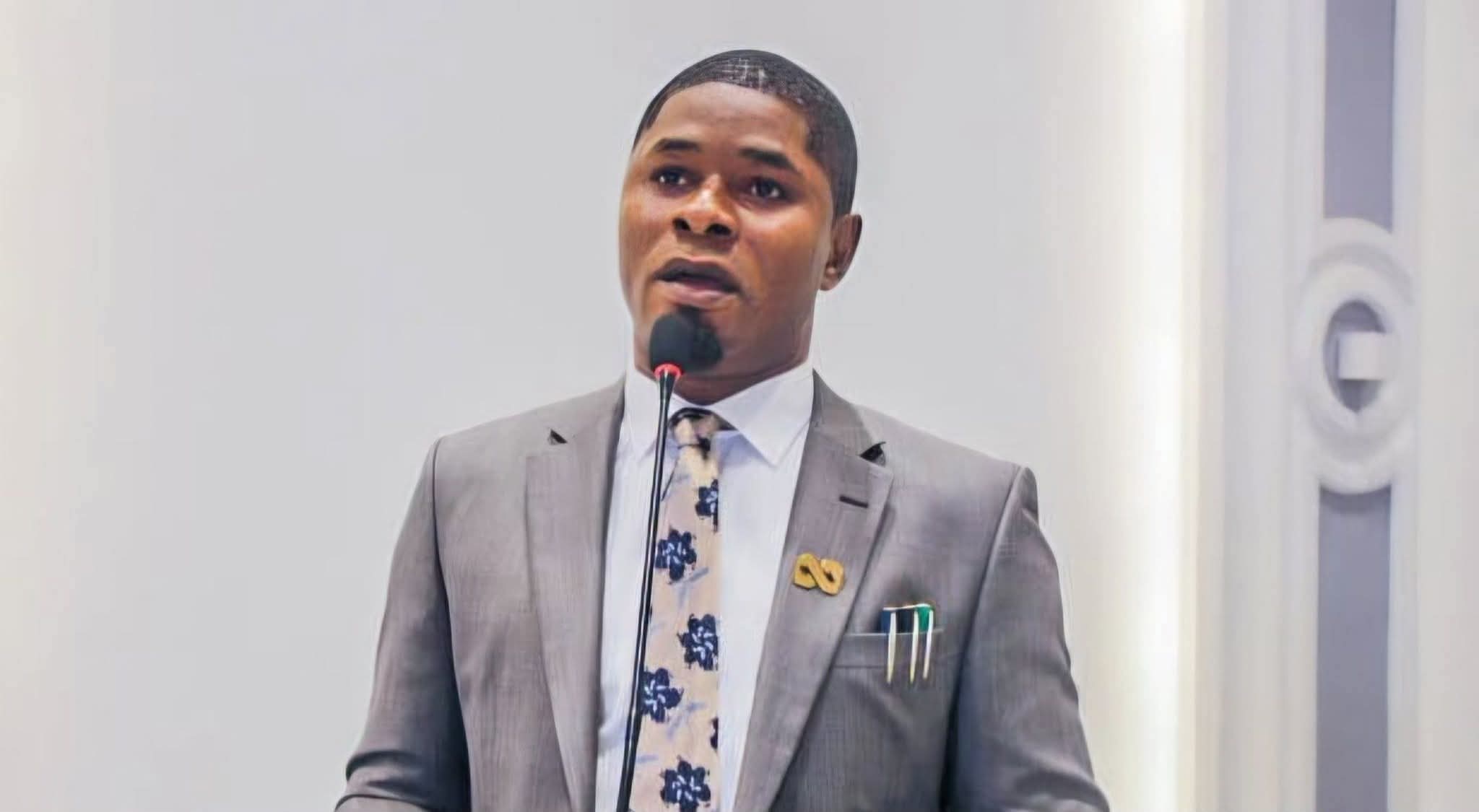
Ecological Fund: Iyamu Blames States’ Mismanagement For Worsening Floods
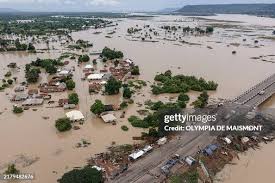
An environmental expert, Iyamu, has blamed the worsening flooding across Nigeria on the poor management and diversion of funds meant to address ecological challenges.
Iyamu said changing rainfall patterns should have prompted stronger flood-prevention measures, noting that annual rainfall in some areas had increased significantly over time.
“The problem with us here is data for us to work with. Over time, the rainfall moved from between 1,150mm and 1,202mm to 2,000mm and 4,000mm. That’s quite a lot. That should have warned us,” he said.
He questioned how states had utilised the N109 billion released from the Ecological Fund between 2023 and 2025, stressing that the fund was established specifically to address ecological challenges.
According to him, the Ecological Fund was initially set at one per cent in 1982 before it was increased to two per cent under former President Ibrahim Babangida and three per cent during the administration of former President Olusegun Obasanjo.
“What are they using it for?” he asked.
Iyamu argued that the major challenge was not inadequate funding but the manner in which funds allocated for ecological emergencies were managed.
“Our problem is not the finances; it is the way the finances are directed,” he said.
He called for a review of the management of the Ecological Fund, insisting that its use should reflect the provisions of Section 20 of the Nigerian Constitution on environmental protection.
“It is not pocket money for states. This is not what Nigerian citizens deserve,” he said.
Calls for transparency
Iyamu also criticised bureaucratic bottlenecks and what he described as a lack of transparency and accountability in the management of funds meant for flood prevention and preparedness.
He said some state governments treated ecological allocations as part of their regular revenues instead of ring-fencing the funds for disaster prevention and mitigation.
“There is time to prepare for all this. Flooding now, before it gets to this stage, countries are using barriers,” he said.
He also questioned the utilisation and monitoring of N83.2 billion allocated for anticipatory action, arguing that clear mechanisms must be established to track how such funds are spent.
“You must, first of all, create transparency, then create accountability,” Iyamu said.
Abuja flood crisis
On the flooding situation in Abuja, Iyamu said alterations to the Federal Capital Territory’s original drainage and relief-line designs had significantly worsened the city’s vulnerability.
He argued that Abuja was originally conceived as a purpose-built city with adequate provisions for water flow and drainage.
“Abuja was made as a purpose-built city. Purpose-built city—that means you build it from the beginning. Kenzo Tange, who designed Abuja, said Abuja can never flood,” he said.
Iyamu claimed that some of the city’s original relief lines, which were designed to be about 100 metres wide, had been reduced substantially in some areas.
“They have reduced it to about 30 metres, some even 10 metres. How are you not going to have flooding?” he asked.
He therefore called for the restoration of Abuja’s original master plan, particularly its drainage systems and designated water-flow channels.
“What needs to happen now is to go back to the original master plan,” he said.
Preventive measures
For other parts of the country, Iyamu urged the government to deploy the Ecological Fund towards preventive measures such as the construction of sandbanks and riverbanks instead of focusing largely on post-disaster relief.
“For the rest of the country, now is the time to use the Ecological Fund. It is not pocket money. Not for relief,” he said.
He also called for better coordination among agencies responsible for weather forecasting, hydrology and environmental management.
“First of all, let us harmonise our response agencies. Instead of having NiMet, NIHSA, all of them—if they are coming under the Ministry of Environment, let them come under the Ministry of Environment,” he said.
Iyamu further urged the Anticipatory Action Taskforce and other relevant agencies to deploy available funds towards preparations that could reduce the impact of future floods.
Iyamu said changing rainfall patterns should have prompted stronger flood-prevention measures, noting that annual rainfall in some areas had increased significantly over time.
“The problem with us here is data for us to work with. Over time, the rainfall moved from between 1,150mm and 1,202mm to 2,000mm and 4,000mm. That’s quite a lot. That should have warned us,” he said.
He questioned how states had utilised the N109 billion released from the Ecological Fund between 2023 and 2025, stressing that the fund was established specifically to address ecological challenges.
According to him, the Ecological Fund was initially set at one per cent in 1982 before it was increased to two per cent under former President Ibrahim Babangida and three per cent during the administration of former President Olusegun Obasanjo.
“What are they using it for?” he asked.
Iyamu argued that the major challenge was not inadequate funding but the manner in which funds allocated for ecological emergencies were managed.
“Our problem is not the finances; it is the way the finances are directed,” he said.
He called for a review of the management of the Ecological Fund, insisting that its use should reflect the provisions of Section 20 of the Nigerian Constitution on environmental protection.
“It is not pocket money for states. This is not what Nigerian citizens deserve,” he said.
Calls for transparency
Iyamu also criticised bureaucratic bottlenecks and what he described as a lack of transparency and accountability in the management of funds meant for flood prevention and preparedness.
He said some state governments treated ecological allocations as part of their regular revenues instead of ring-fencing the funds for disaster prevention and mitigation.
“There is time to prepare for all this. Flooding now, before it gets to this stage, countries are using barriers,” he said.
He also questioned the utilisation and monitoring of N83.2 billion allocated for anticipatory action, arguing that clear mechanisms must be established to track how such funds are spent.
“You must, first of all, create transparency, then create accountability,” Iyamu said.
Abuja flood crisis
On the flooding situation in Abuja, Iyamu said alterations to the Federal Capital Territory’s original drainage and relief-line designs had significantly worsened the city’s vulnerability.
He argued that Abuja was originally conceived as a purpose-built city with adequate provisions for water flow and drainage.
“Abuja was made as a purpose-built city. Purpose-built city—that means you build it from the beginning. Kenzo Tange, who designed Abuja, said Abuja can never flood,” he said.
Iyamu claimed that some of the city’s original relief lines, which were designed to be about 100 metres wide, had been reduced substantially in some areas.
“They have reduced it to about 30 metres, some even 10 metres. How are you not going to have flooding?” he asked.
He therefore called for the restoration of Abuja’s original master plan, particularly its drainage systems and designated water-flow channels.
“What needs to happen now is to go back to the original master plan,” he said.
Preventive measures
For other parts of the country, Iyamu urged the government to deploy the Ecological Fund towards preventive measures such as the construction of sandbanks and riverbanks instead of focusing largely on post-disaster relief.
“For the rest of the country, now is the time to use the Ecological Fund. It is not pocket money. Not for relief,” he said.
He also called for better coordination among agencies responsible for weather forecasting, hydrology and environmental management.
“First of all, let us harmonise our response agencies. Instead of having NiMet, NIHSA, all of them—if they are coming under the Ministry of Environment, let them come under the Ministry of Environment,” he said.
Iyamu further urged the Anticipatory Action Taskforce and other relevant agencies to deploy available funds towards preparations that could reduce the impact of future floods.