Atiku Demands Tinubu’s Response To Economist’s Report On Alleged $20bn Chagoury Deals
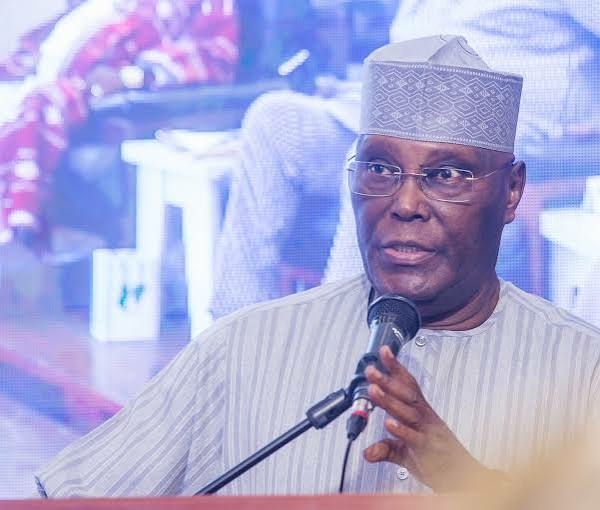
Former Vice President and African Democratic Congress (ADC) presidential candidate, Atiku Abubakar, has challenged President Bola Ahmed Tinubu to respond to questions raised by The Economist over an alleged $20 billion worth of government projects reportedly linked to his long-time associate, Gilbert Chagoury.
Atiku said the report had elevated concerns over procurement practices under the Tinubu administration from domestic allegations to an issue of international credibility.
In a statement issued by his Senior Special Assistant on Public Communication, Phrank Shaibu, the former vice president said the alleged projects, valued at approximately ₦27 trillion at prevailing exchange rates, were too significant for the government to ignore.
“$20 billion is approximately ₦27 trillion. Nigerians deserve to know how projects of such staggering value became concentrated around businesses linked to one man who happens to be a close associate of the President,” Atiku said.
He argued that the amount was comparable to the scale of an entire national budget and questioned the circumstances under which the projects were awarded.
According to him, Nigerians have been asked to endure higher taxes, rising living costs and economic hardship in the name of national sacrifice, making transparency over such large government projects imperative.
Atiku called on the Presidency to provide specific answers on the procurement process, taxation and the relationship between political proximity and access to major government contracts.
He asked: “Who awarded these contracts? Were they competitively tendered? What tax concessions, waivers or privileges were granted? Who are the ultimate beneficial owners? And why does the same presidential associate keep appearing around projects worth billions of dollars?”
The former vice president also criticised the administration's response to allegations of corruption and alleged cronyism, arguing that the Presidency should directly address substantive questions rather than attack its critics through presidential spokespersons.
“The Economist is not an opposition party. It is not on the ballot in 2027. The President should answer the questions it has raised,” he said.
Atiku maintained that the controversy had implications for public confidence in the administration, particularly at a time when Nigerians were being asked to make economic sacrifices.
“You cannot preach sacrifice to hungry Nigerians while questions hang over ₦27 trillion worth of projects linked to your friend. That is not reform. It is an assault on public trust,” he said.
He consequently challenged the Presidency to publish details of the projects reportedly identified by The Economist, including procurement records, ownership structures, tax concessions and other relevant information.
“Nigeria is a republic, not a friends-and-family investment portfolio. ₦27 trillion demands answers. President Tinubu must provide them,” Atiku stated.
Atiku said the report had elevated concerns over procurement practices under the Tinubu administration from domestic allegations to an issue of international credibility.
In a statement issued by his Senior Special Assistant on Public Communication, Phrank Shaibu, the former vice president said the alleged projects, valued at approximately ₦27 trillion at prevailing exchange rates, were too significant for the government to ignore.
“$20 billion is approximately ₦27 trillion. Nigerians deserve to know how projects of such staggering value became concentrated around businesses linked to one man who happens to be a close associate of the President,” Atiku said.
He argued that the amount was comparable to the scale of an entire national budget and questioned the circumstances under which the projects were awarded.
According to him, Nigerians have been asked to endure higher taxes, rising living costs and economic hardship in the name of national sacrifice, making transparency over such large government projects imperative.
Atiku called on the Presidency to provide specific answers on the procurement process, taxation and the relationship between political proximity and access to major government contracts.
He asked: “Who awarded these contracts? Were they competitively tendered? What tax concessions, waivers or privileges were granted? Who are the ultimate beneficial owners? And why does the same presidential associate keep appearing around projects worth billions of dollars?”
The former vice president also criticised the administration's response to allegations of corruption and alleged cronyism, arguing that the Presidency should directly address substantive questions rather than attack its critics through presidential spokespersons.
“The Economist is not an opposition party. It is not on the ballot in 2027. The President should answer the questions it has raised,” he said.
Atiku maintained that the controversy had implications for public confidence in the administration, particularly at a time when Nigerians were being asked to make economic sacrifices.
“You cannot preach sacrifice to hungry Nigerians while questions hang over ₦27 trillion worth of projects linked to your friend. That is not reform. It is an assault on public trust,” he said.
He consequently challenged the Presidency to publish details of the projects reportedly identified by The Economist, including procurement records, ownership structures, tax concessions and other relevant information.
“Nigeria is a republic, not a friends-and-family investment portfolio. ₦27 trillion demands answers. President Tinubu must provide them,” Atiku stated.