37 Miners’ Death: Probe Panel Seeks 2-Week Extension, Flags Institutional Gaps
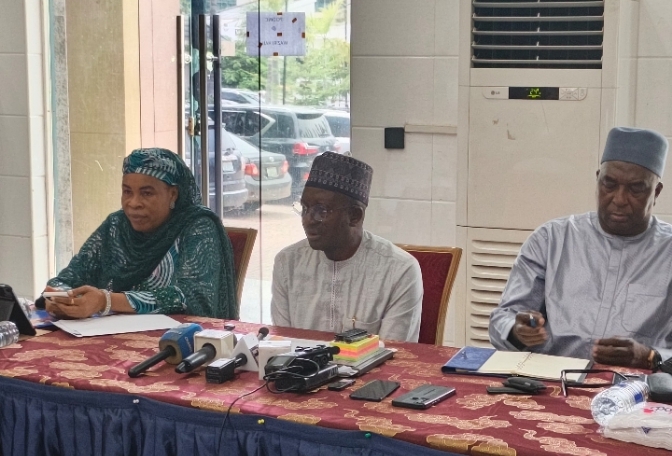
The committee investigating the deaths of 37 miners in the custody of the Nigeria Security and Civil Defence Corps (NSCDC) has requested an additional two weeks to conclude its probe.
The panel said the extension was necessary to enable it to thoroughly review the evidence gathered and produce a credible and comprehensive report on the circumstances surrounding the deaths.
Chairman of the committee, Jonathan Kure, disclosed that the investigation had uncovered issues bordering on institutional gaps, overzealousness and professionalism in the handling of the incident.
However, Kure cautioned against drawing premature conclusions, stressing that the committee was still examining a large volume of testimonies, documentary evidence and forensic materials.
He said the panel had made significant progress since its inauguration two weeks ago, including inspecting the custody facility, visiting the mining site and conducting autopsies.
The committee, he added, had obtained statements from NSCDC personnel, survivors, bereaved families and other witnesses connected to the incident.
It is also awaiting critical forensic and pathology reports expected to help establish the exact circumstances and causes of the deaths.
“We don’t want to be pre-emptive. We have received large volumes of testimony requiring meticulous review and collation,” Kure said.
“There were also pending forensic and pathology reports that were essential to establishing the cause of death. We also needed to afford all persons implicated, including the already suspended officers, the opportunity to respond.”
According to him, allowing those implicated in the incident to present their side was essential to ensuring that the committee’s eventual findings and recommendations could withstand scrutiny and command public confidence.
Kure said the request for an additional two weeks should not be interpreted as a setback, but as an effort to ensure that no critical aspect of the investigation was overlooked.
“We want to do a clean job that will be commendable,” he said.
The chairman said the panel had interacted with survivors and members of the bereaved families to obtain first-hand accounts of the incident.
It had also engaged the Niger State Command of the NSCDC and personnel linked, directly or indirectly, to the case.
Kure said the visit to the mining site was particularly important as it enabled the committee to examine the physical environment and gather additional information needed to reconstruct the events leading to the deaths.
He commended the NSCDC for its cooperation, noting that access to relevant facilities, personnel and records had aided the investigation.
The committee, he said, was examining oral and documentary evidence alongside forensic materials as it worked towards an objective conclusion.
Kure disclosed that the panel had formally written to the federal government requesting the additional two weeks.
“The additional time will enable us to properly review the evidence gathered, reconcile the various accounts and ensure that our final report is comprehensive,” he said.
He added that the emerging concerns over institutional gaps, overzealousness and professionalism were being carefully examined as part of the panel’s broader assessment of the circumstances surrounding the deaths.
Kure stressed that the committee’s final findings would be based strictly on evidence gathered during the investigation.
He reaffirmed the panel’s commitment to producing a credible and balanced report capable of guiding the authorities on appropriate action and preventing similar incidents in the future.
The panel said the extension was necessary to enable it to thoroughly review the evidence gathered and produce a credible and comprehensive report on the circumstances surrounding the deaths.
Chairman of the committee, Jonathan Kure, disclosed that the investigation had uncovered issues bordering on institutional gaps, overzealousness and professionalism in the handling of the incident.
However, Kure cautioned against drawing premature conclusions, stressing that the committee was still examining a large volume of testimonies, documentary evidence and forensic materials.
He said the panel had made significant progress since its inauguration two weeks ago, including inspecting the custody facility, visiting the mining site and conducting autopsies.
The committee, he added, had obtained statements from NSCDC personnel, survivors, bereaved families and other witnesses connected to the incident.
It is also awaiting critical forensic and pathology reports expected to help establish the exact circumstances and causes of the deaths.
“We don’t want to be pre-emptive. We have received large volumes of testimony requiring meticulous review and collation,” Kure said.
“There were also pending forensic and pathology reports that were essential to establishing the cause of death. We also needed to afford all persons implicated, including the already suspended officers, the opportunity to respond.”
According to him, allowing those implicated in the incident to present their side was essential to ensuring that the committee’s eventual findings and recommendations could withstand scrutiny and command public confidence.
Kure said the request for an additional two weeks should not be interpreted as a setback, but as an effort to ensure that no critical aspect of the investigation was overlooked.
“We want to do a clean job that will be commendable,” he said.
The chairman said the panel had interacted with survivors and members of the bereaved families to obtain first-hand accounts of the incident.
It had also engaged the Niger State Command of the NSCDC and personnel linked, directly or indirectly, to the case.
Kure said the visit to the mining site was particularly important as it enabled the committee to examine the physical environment and gather additional information needed to reconstruct the events leading to the deaths.
He commended the NSCDC for its cooperation, noting that access to relevant facilities, personnel and records had aided the investigation.
The committee, he said, was examining oral and documentary evidence alongside forensic materials as it worked towards an objective conclusion.
Kure disclosed that the panel had formally written to the federal government requesting the additional two weeks.
“The additional time will enable us to properly review the evidence gathered, reconcile the various accounts and ensure that our final report is comprehensive,” he said.
He added that the emerging concerns over institutional gaps, overzealousness and professionalism were being carefully examined as part of the panel’s broader assessment of the circumstances surrounding the deaths.
Kure stressed that the committee’s final findings would be based strictly on evidence gathered during the investigation.
He reaffirmed the panel’s commitment to producing a credible and balanced report capable of guiding the authorities on appropriate action and preventing similar incidents in the future.